Thermal Regulation: Room and Body Temperature Links to Sleep
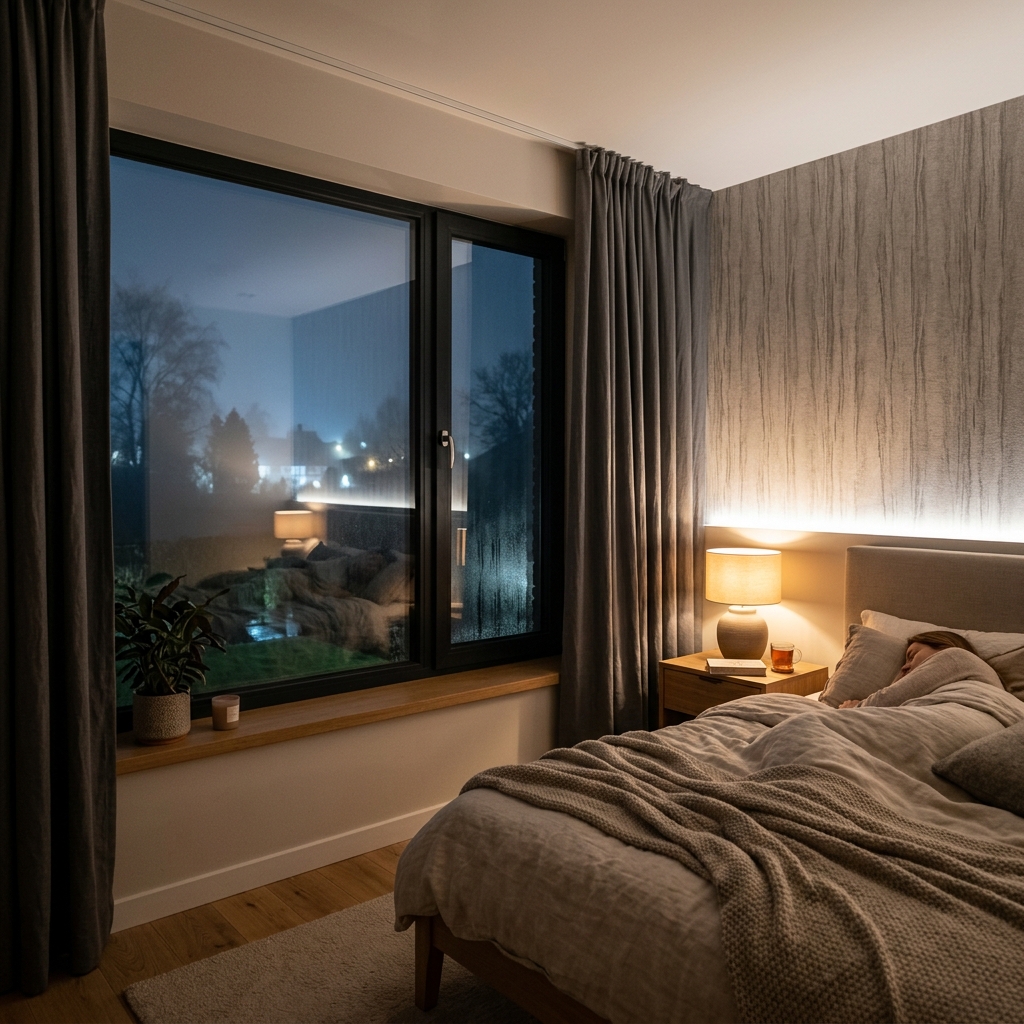
1. The Physiology of Core Body Cooling
A natural drop in core body temperature is required to initiate sleep. Under healthy circadian rhythms, body temperature peaks in the late afternoon and begins to decline in the evening, aligning with melatonin release. This cooling process is essential for transitioning the brain into deep sleep stages.
An overly warm bedroom can interfere with this natural cooling, leading to restless sleep, frequent awakenings, and a reduction in deep slow-wave sleep. Setting your bedroom temperature to a cool range—ideally around 18°C (65°F)—helps support your body's cooling process, enhancing sleep quality.
2. Strategies to Support Temperature Alignment
To optimize room temperature for sleep, utilize breathable bedding and adjust thermostat settings in the evening. Taking a warm bath or shower 90 minutes before bed can also support cooling. The warm water increases circulation to hands and feet, helping to lower core body temperature once you step out.
| Sleep Environment Temp | Core Body Cooling | Sleep Stage Impact | Waking Quality |
|---|---|---|---|
| Over 24°C (75°F) | Restricted cooling, sweat response | Fragmented sleep, reduced deep stages | Groggy, unrefreshed waking |
| 16°C - 20°C (60°F - 68°F) | Optimal core cooling | Undisturbed cycles, full deep stages | Refreshed, alert waking |
| Under 12°C (54°F) | Shivering response, sleep disruption | Light sleep stages, frequent waking | Fatigue, physical tension |
3. Implementing Physiological Guidelines
Integrating these principles into your daily routine is straightforward. Start by identifying one or two areas where you can make small, consistent adjustments. Focus on establishing a regular sleep schedule, staying hydrated, and taking brief recovery breaks during the day. Over time, these practices will become automated habits that support your biological balance and overall well-being.
Remember that consistency is key. Small, daily choices have a powerful cumulative effect on your health. By prioritizing these supportive habits, you build the physiological reserve necessary to meet daily challenges with energy and focus.
- Set cool bedroom temp: Keep room temperatures between 60-68°F.
- Use warm bath protocol: Take a warm shower 90 minutes before bedtime.
- Choose breathable fabrics: Opt for cotton or linen sheets to aid heat release.
- Block heat sources: Dim evening lights to prevent bedroom heat buildup.
Written & Reviewed by Sarah Jenkins
Certified Sleep Science Coach & Integrative Wellness Counselor
Sarah has over a decade of clinical experience guiding clients through biological clock alignment, autonomic breath training, and mindfulness strategies to support longevity.
Ready to Track Your Daily Progress?
Use our Daily Self-Care Habit Scorecard to align your evening routines, breathwork, and sleep patterns with healthy biological ranges.
Open Habit Scorecard