Understanding Stress Hormone Loops and Adrenal Resilience
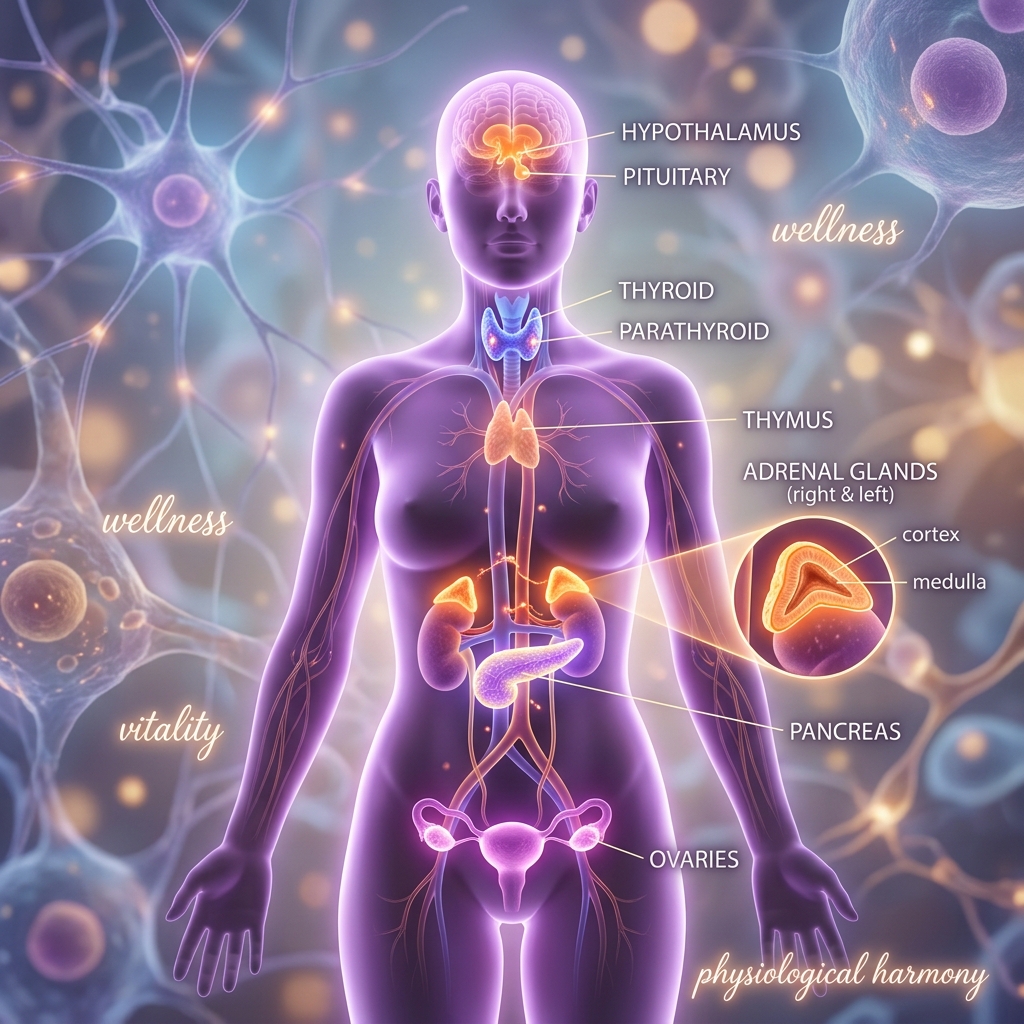
1. The Adrenal Cascade and Feedback Loops
When you face a stressor, the brain's hypothalamus triggers a cascade that prompts the adrenal glands to release adrenaline and cortisol. Adrenaline increases heart rate, blood pressure, and energy supplies immediately. Cortisol, the primary stress hormone, increases glucose in the bloodstream and temporarily downregulates non-essential systems like digestion, reproduction, and immune function. In healthy scenarios, once the threat passes, feedback loops signal the brain to stop this response, returning the body to balance.
Under chronic stress, these feedback loops can become overwhelmed, leading to sustained hormone release. This chronic activation can lead to HPA axis dysregulation, characterized by disrupted cortisol curves. This can manifest as low morning energy, evening alertness, and overall fatigue, highlighting the importance of stress management.
2. Supporting Adrenal Health and Resilience
Building resilience to chronic stress requires managing daily stressors and supporting the body's recovery systems. Prioritize consistent sleep schedules, stay hydrated, and practice regular relaxation techniques like deep breathing or walking in nature. Minimizing late-night screen time and caffeine intake also helps protect natural cortisol rhythms.
| Hormone | Primary Adrenal Source | Short-term Role | Chronic Overload Impact |
|---|---|---|---|
| Adrenaline | Adrenal medulla | Rapid energy mobilization | Hypertension, vascular inflammation |
| Cortisol | Adrenal cortex | Glucose control, immune modulation | HPA axis dysregulation, chronic fatigue |
| DHEA | Adrenal cortex | Supports anabolic recovery | Depleted levels, impaired tissue repair |
3. Implementing Physiological Guidelines
Integrating these principles into your daily routine is straightforward. Start by identifying one or two areas where you can make small, consistent adjustments. Focus on establishing a regular sleep schedule, staying hydrated, and taking brief recovery breaks during the day. Over time, these practices will become automated habits that support your biological balance and overall well-being.
Remember that consistency is key. Small, daily choices have a powerful cumulative effect on your health. By prioritizing these supportive habits, you build the physiological reserve necessary to meet daily challenges with energy and focus.
- Stress boundaries: Limit exposure to work-related stressors in the evening.
- Supportive nutrition: Eat balanced meals to help prevent blood sugar swings.
- Relaxation practices: Practice deep breathing or meditation daily to lower stress.
- Limit stimulants: Avoid excessive caffeine, especially in the afternoon.
Written & Reviewed by Sarah Jenkins
Certified Sleep Science Coach & Integrative Wellness Counselor
Sarah has over a decade of clinical experience guiding clients through biological clock alignment, autonomic breath training, and mindfulness strategies to support longevity.
Ready to Track Your Daily Progress?
Use our Daily Self-Care Habit Scorecard to align your evening routines, breathwork, and sleep patterns with healthy biological ranges.
Open Habit Scorecard