Melatonin Suppression: The Cost of Screen Illumination at Night
1. Spectral Sensitivity of Retinal Ganglion Cells
The human eye contains photoreceptors that go beyond standard vision rods and cones. Specialized cells called intrinsically photosensitive retinal ganglion cells (ipRGCs) project directly to the suprachiasmatic nucleus. These ipRGCs contain melanopsin, a photopigment that is highly sensitive to blue wavelengths between 460nm and 480nm. When these wavelengths hit the eye, the ipRGCs trigger signals that suppress melatonin synthesis.
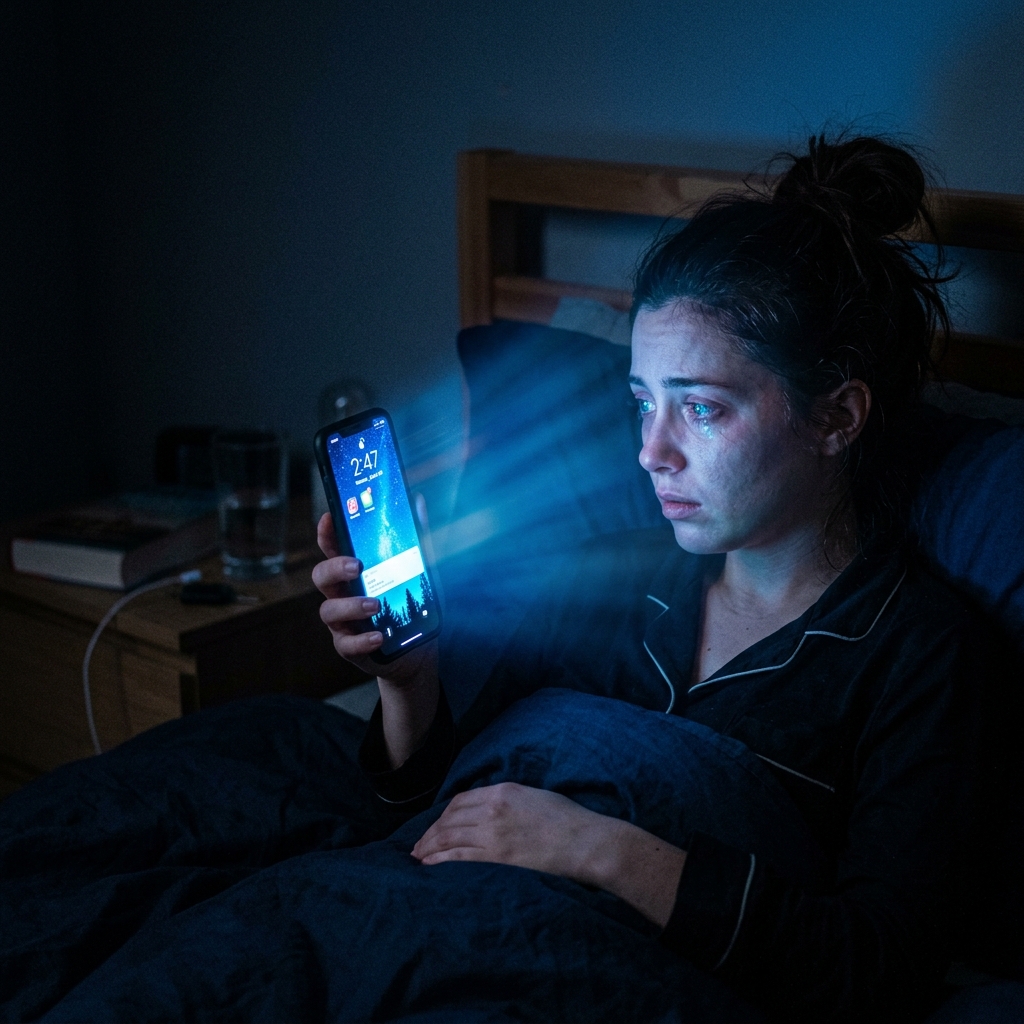
This spectral sensitivity means that blue light is highly effective at boosting alertness during the day. However, it also means that the blue light emitted by tablets, monitors, and modern light bulbs is highly disruptive at night. Even low levels of blue light can suppress melatonin, tricking the brain into simulating midday conditions and extending sleep latency.
2. Creating a Light Mitigation Plan
Minimizing evening light exposure is essential for maintaining natural sleep cycles. Swap cool white overhead lights for warm, amber light bulbs in the evening. Enabling system-level software color shifts helps reduce blue light output from screens. For shift workers or individuals who must use screens late at night, blue-blocking glasses with red or orange lenses can help protect melatonin production.
| Spectrum Color | Wavelength Range | SCN Sensitivity | Biological Effect |
|---|---|---|---|
| Blue / Cyan | 450 - 490 nm | Maximum sensitivity | Halts melatonin, increases cortisol |
| Green / Yellow | 500 - 570 nm | Moderate sensitivity | Partial hormone suppression |
| Red / Amber | 620 - 700 nm | Zero sensitivity | No effect on melatonin synthesis |
3. Implementing Physiological Guidelines
Integrating these principles into your daily routine is straightforward. Start by identifying one or two areas where you can make small, consistent adjustments. Focus on establishing a regular sleep schedule, staying hydrated, and taking brief recovery breaks during the day. Over time, these practices will become automated habits that support your biological balance and overall well-being.
Remember that consistency is key. Small, daily choices have a powerful cumulative effect on your health. By prioritizing these supportive habits, you build the physiological reserve necessary to meet daily challenges with energy and focus.
- Amber ambient lights: Swap evening bulbs for warm incandescent or amber LEDs.
- Use screen filters: Activate nighttime color shifts on all essential devices.
- Wear blue blockers: Use red or orange tinted glasses if screens are unavoidable.
- Dim room lighting: Lower overall light levels 2 hours before sleeping.
Written & Reviewed by Sarah Jenkins
Certified Sleep Science Coach & Integrative Wellness Counselor
Sarah has over a decade of clinical experience guiding clients through biological clock alignment, autonomic breath training, and mindfulness strategies to support longevity.
Ready to Track Your Daily Progress?
Use our Daily Self-Care Habit Scorecard to align your evening routines, breathwork, and sleep patterns with healthy biological ranges.
Open Habit Scorecard